
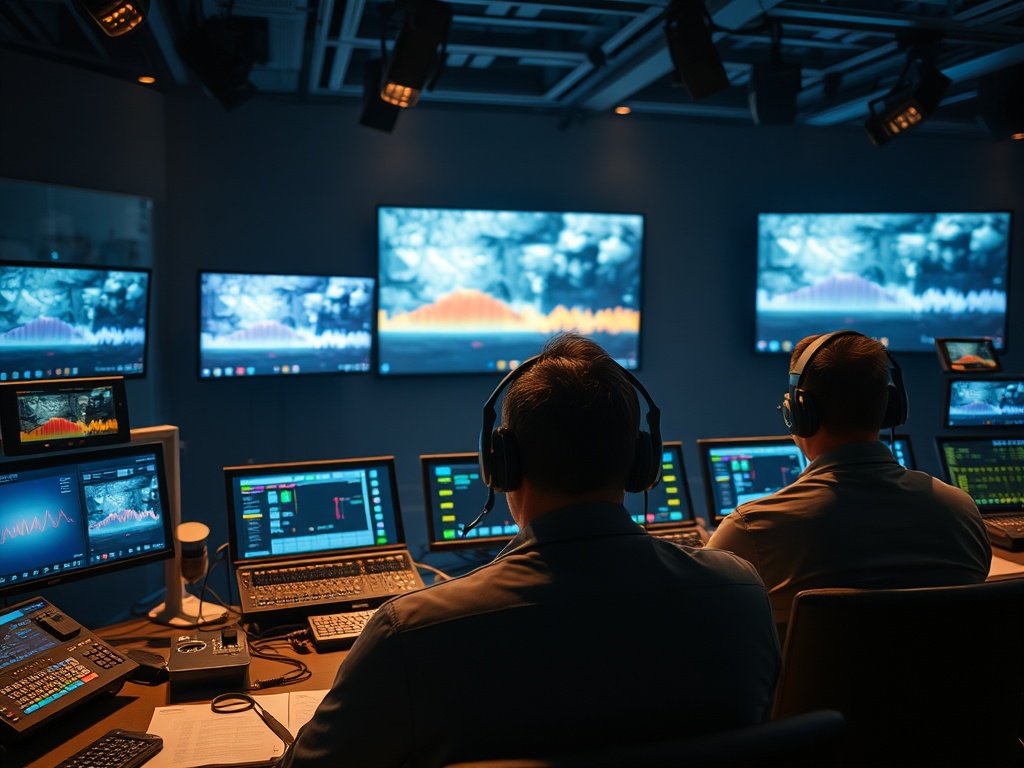
A hybrid production checklist should confirm the audience promise, technical workflow, speaker readiness, accessibility needs, content rights, rehearsal plan, and fallback procedures before the AV plan is approved. The review should happen early enough to fix weak assumptions, not after vendors are already locked.
TL;DR: Use this as the operating snapshot before building the full plan.
- Hybrid events need one plan for the room and one plan for the remote experience, plus clear connections between them.
- Review approvals should cover technical, editorial, staffing, accessibility, and contingency dependencies.
- Red flags include vague streaming ownership, no rehearsal, unclear speaker locations, and no backup plan.
Confirm the Hybrid Experience Promise
Before approving the AV plan, define what the hybrid audience is actually being promised. Is the remote audience watching a livestream, participating in Q&A, joining networking, accessing recordings, or receiving a different content path? Hybrid production becomes risky when marketing promises interaction but the AV plan only supports passive viewing.
The production checklist should connect the promise to technical requirements. A one-way broadcast has different needs than a moderated remote discussion. A sponsored virtual lounge has different needs than recorded content access. Teams designing differentiated access can connect this review with attendee journey planning so remote and in-room journeys are not treated as afterthoughts.
Review Technical Dependencies Before Approval
Key AV review points include venue internet, backup connectivity, camera positions, audio capture, lighting, presentation feeds, streaming platform, recording format, speaker confidence monitors, remote speaker setup, captioning workflow, technician roles, and escalation contacts. Each item should have an owner and a test date.
Safety and site conditions also matter. Resources such as the Event Safety Alliance standards guidance highlight common live-event concerns including emergency planning, crowd management, weather preparedness, communication, and venue or site design. Hybrid teams should treat technical planning as part of the full event environment, not a separate production island.
Approvals and Assets That Must Be Finalized
Before approval, confirm run of show, speaker list, session formats, slide deadlines, branding assets, remote access links, music and media rights, sponsor mentions, captioning needs, recording consent language, moderator scripts, and post-event content plan. If any asset is still changing, mark the AV plan as conditional.
Content rights are often overlooked. Teams should not assume every session can be recorded, clipped, or repurposed. Speaker agreements, sponsor terms, platform policies, and music licenses can affect what may be used after the event.
Use a Red Flag Checklist
Red flags include no technical rehearsal, remote speakers using unknown equipment, no backup internet, no clear Q&A owner, no captioning plan when needed, no recording consent process, no plan for late slides, no single show caller, and no decision path for technical failure. These issues do not always mean the event should stop, but they do mean approval should be conditional.
Operational Comparison Snapshot
| Review Area | Approval Question | Risk If Skipped |
|---|---|---|
| Audience promise | What can remote attendees actually do? | Marketing overpromises the experience |
| Connectivity | Is primary and backup internet tested? | Stream failure or poor viewing quality |
| Audio | Can every voice be captured clearly? | Remote audience misses key content |
| Rehearsal | Have speakers and operators tested the flow? | Confusion during live segments |
| Fallbacks | Who decides what happens when something fails? | Slow response and public disruption |
The checklist should be reviewed by production, program, marketing, venue, and leadership stakeholders before approval. Hybrid failure usually happens between teams, not inside one tool.
Test the Plan Like an Attendee
Run the remote path as a real attendee would experience it. Register, receive instructions, join the platform, ask a question, watch a session, use captions if applicable, receive follow-up, and access the recording if promised. Then run the in-room path and check sightlines, audio, lighting, signage, and staff instructions.
Teams managing complex logistics should also coordinate with shared dashboard workflows so load-in, technical setup, and rehearsal dependencies are visible together.

Approve Only What Can Be Delivered
A hybrid AV plan should be approved only when it matches the experience promise, has named owners, includes rehearsals, and contains practical fallback steps. If the plan is not ready, approve a reduced version rather than hoping the full promise works.
Educational note: Hybrid production requirements, accessibility duties, recording permissions, platform features, and venue capabilities vary by event and location. Verify all details with organizers, venues, technology vendors, legal advisors, and official sources before making contractual or participation decisions.
Hybrid Approval Meeting Agenda
The hybrid approval meeting should be structured around decisions. Start with the attendee promise, then review technical readiness, speaker readiness, platform workflow, accessibility support, recording permissions, staffing roles, rehearsal dates, and fallback procedures. Each agenda item should end with approved, approved with conditions, or not approved. Avoid vague status updates that do not change the plan.
Invite only the people needed to make decisions: production, program, marketing, venue, platform support, accessibility lead if applicable, and the executive owner. Document unresolved risks in plain language. A hybrid plan is ready when the team can explain what remote attendees will experience, what the room audience will experience, and what happens if a critical system fails.
Build the approval file as if a new producer had to step in tomorrow. Include the final run of show, platform links, contact tree, technical diagrams, rehearsal notes, backup instructions, accessibility arrangements, and decision log. Hybrid events depend on many specialized roles, so documentation reduces the risk that knowledge stays trapped with one person or vendor.
The final review should include a failure scenario. Ask what happens if a remote speaker loses connection, if slides arrive late, if captions fail, if the platform link is wrong, or if the recording stops. Clear fallback decisions help the team respond calmly.
Remote attendees should receive the same level of clarity as people in the room. Send access instructions early, explain how participation works, and make support options visible. If the event offers recordings, state when access is expected and any limits that apply. Clear communication lowers support demand during live production.
Do not approve the AV plan until someone has checked the attendee-facing links and instructions. A perfect technical setup can still fail if people cannot find the right access path.
For complex programs, run a short speaker tech check separate from the full rehearsal. This catches microphone, camera, slide, and connection issues before the show flow is tested.