
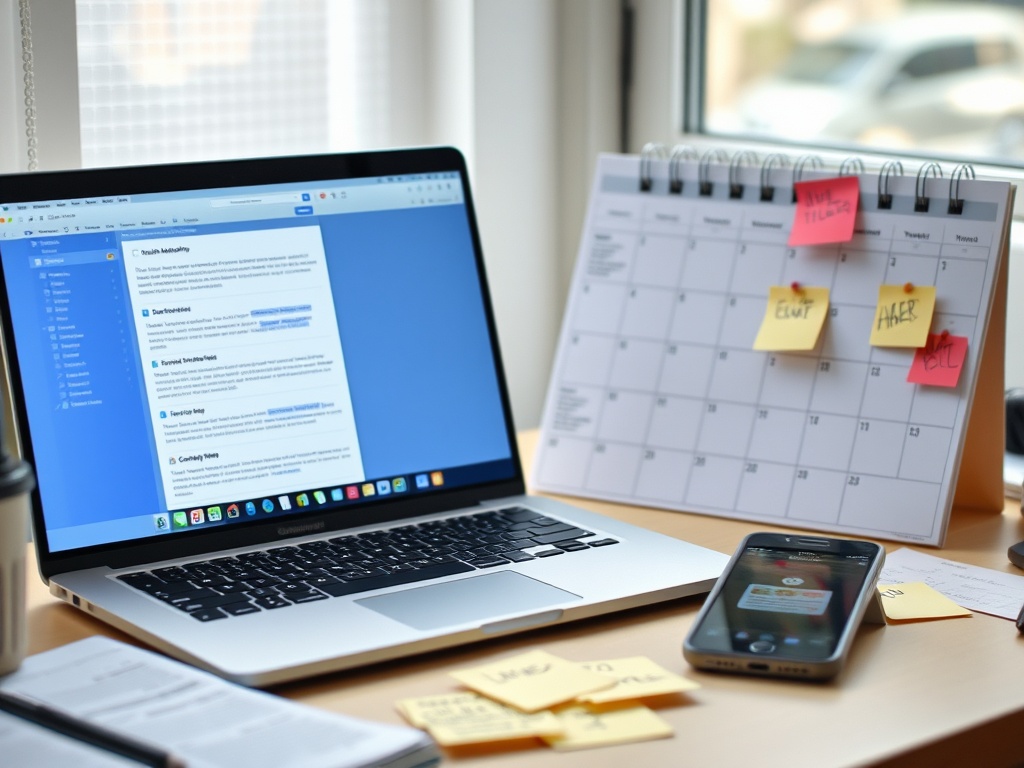
Email, social, and lifecycle promotion help event teams make better decisions when each channel has a clear job. Beginners should start by defining the audience, message timing, registration path, and follow-up plan before creating posts or email sequences.
TL;DR: Use this as the operating snapshot before building the full plan.
- Promotion is not just announcement activity; it is a decision system for audience awareness, registration, attendance, and post-event engagement.
- Email is best for direct relationship building, social is best for discovery and proof, and lifecycle promotion connects the full journey.
- Beginner mistakes usually come from weak audience definition, late promotion, and no post-registration plan.
What Promotion Means in Event Planning
For beginners, event promotion means the planned set of messages that help the right audience understand the event, decide whether it fits them, register, attend, and continue the relationship afterward. It includes email, social posts, paid promotion, partner messages, landing pages, reminders, speaker or sponsor amplification, and post-event content.
Promotion begins earlier than many teams think. If the event concept, audience, and promise are unclear, the campaign will be unclear too. A team should know who the event is for, what problem or desire it answers, what action the audience should take, and what proof supports the invitation. The SBA marketing and sales guidance offers a useful small-business framing: marketing plans work best when they define the target market, goals, action plan, and budget.
Give Every Channel a Specific Role
Email should carry the most direct and complete communication. It can announce registration, explain value, confirm attendance, send reminders, share access details, and continue the conversation after the event. Social should help audiences discover the event, see credibility, understand the atmosphere, and share interest. Lifecycle promotion connects those touchpoints so people do not receive random messages.
A beginner-friendly flow might include launch email, social announcement, speaker highlight, reminder email, behind-the-scenes social post, registration deadline email if applicable, attendee preparation email, event-day reminder, thank-you email, and post-event recap. When promotion affects registration pathways, teams can connect it with attendee journey design so messages match the experience people will receive.
Build the Basic Campaign Framework
Start with audience personas. What does each audience segment care about? What would make them hesitate? What proof do they need? Next, write the core event promise in one sentence. Then create a promotion calendar with channel, owner, message goal, asset needed, approval date, and send or publish date.
Do not write every message from scratch. Create a message bank with key benefits, session or activity descriptions, speaker notes, venue or access details, sponsor language, and audience FAQs. This improves consistency and saves time. If influencers, paid partners, or testimonials are involved, review FTC endorsement guidance so material connections are handled transparently.
Common Beginner Mistakes to Avoid
The first mistake is promoting too late. Audiences need time to understand, compare calendars, secure approvals, and arrange travel if needed. The second mistake is using the same message everywhere. Social posts can be shorter and more visual, while email can answer objections. The third mistake is stopping promotion after registration. Registered people still need reminders, preparation, and reasons to attend.
Another mistake is judging the campaign only by vanity metrics. Likes and impressions may be useful signals, but they do not always show event readiness. Track registration source, email clicks, page conversion, no-show rate, attendee questions, and post-event engagement.
Documents Beginners Should Create First
Useful beginner documents include an audience persona sheet, promotion calendar, landing page outline, registration email sequence, social content themes, partner promotion instructions, FAQ document, and post-event recap plan. These documents keep the campaign from depending on memory.
If budget pressure appears during promotion, review event budget fixes before cutting channels that may be supporting attendance. A low-cost channel may not be low-value, and a paid channel may not be worth the spend if the audience or offer is weak.
Make the Campaign a Learning System
After the event, review what people opened, clicked, asked, shared, ignored, and acted on. Compare the original audience assumptions with actual behavior. Save high-performing subject lines, messages, FAQs, and timing notes. Beginners become stronger planners when every campaign improves the next one.
Educational note: Event schedules, access details, ticketing rules, partner disclosures, and promotional requirements can vary by organizer, location, platform, and event type. Verify official details before publishing claims or making travel, ticketing, legal, or contractual decisions.
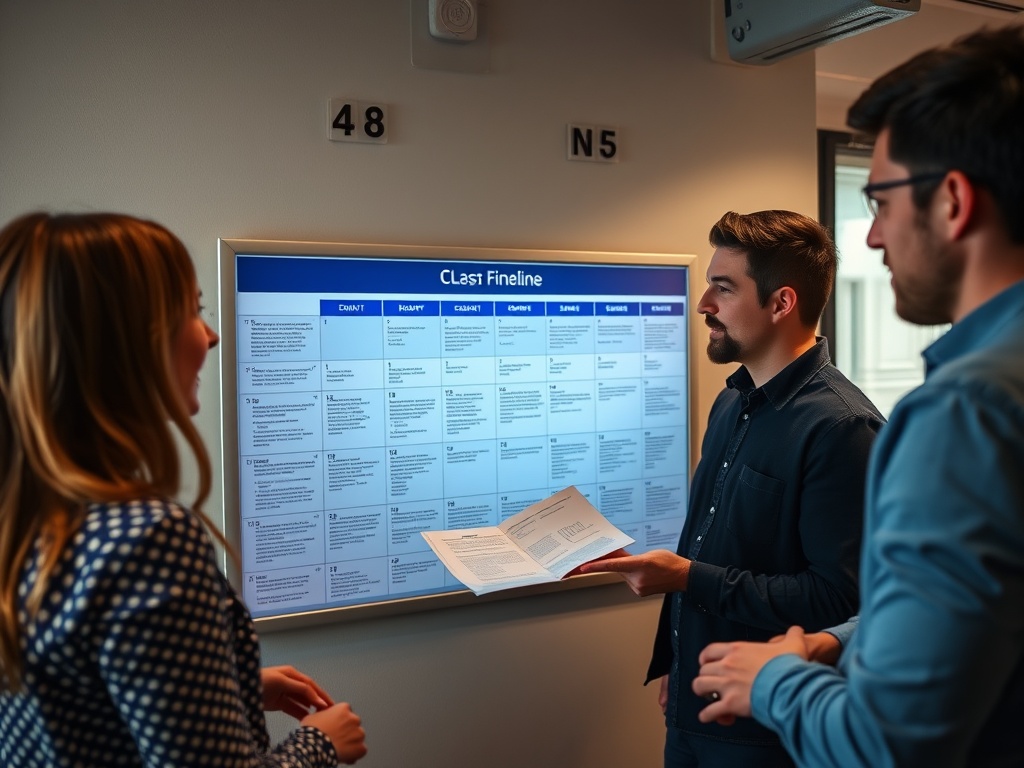
Starter Promotion Review Routine
Beginner teams should review promotion performance on a weekly rhythm once the campaign is live. Look at registration sources, email engagement, social response quality, landing page conversion, audience questions, and drop-off points in the registration path. The purpose is not to chase every number. The purpose is to identify what needs a clearer message, a better proof point, or a simpler action.
Keep the review practical. Choose one thing to improve each week, such as the subject line, audience segment, speaker description, FAQ answer, partner message, or reminder timing. Small improvements are easier to execute than a full campaign rewrite. After the event, save the best-performing messages and the lessons that explain why they worked.
Create a basic message hierarchy before writing channel copy. Put the main event promise at the top, then list proof points, audience benefits, timing details, access information, and common objections. This hierarchy helps beginners keep every email and social post aligned. It also prevents the campaign from sounding different every time another team member writes a message.
Use plain subject lines and captions that explain the event value quickly. Beginners often try to sound clever before being clear. A practical promotion campaign tells people what the event is, who it helps, why it matters, when action is needed, and what happens after registration.
Promotion also supports operational readiness. If attendees keep asking the same question, the event page, confirmation email, or social content may be unclear. Feed those questions back into the campaign. Strong beginner teams use audience confusion as a planning signal instead of treating it as a customer service nuisance.