
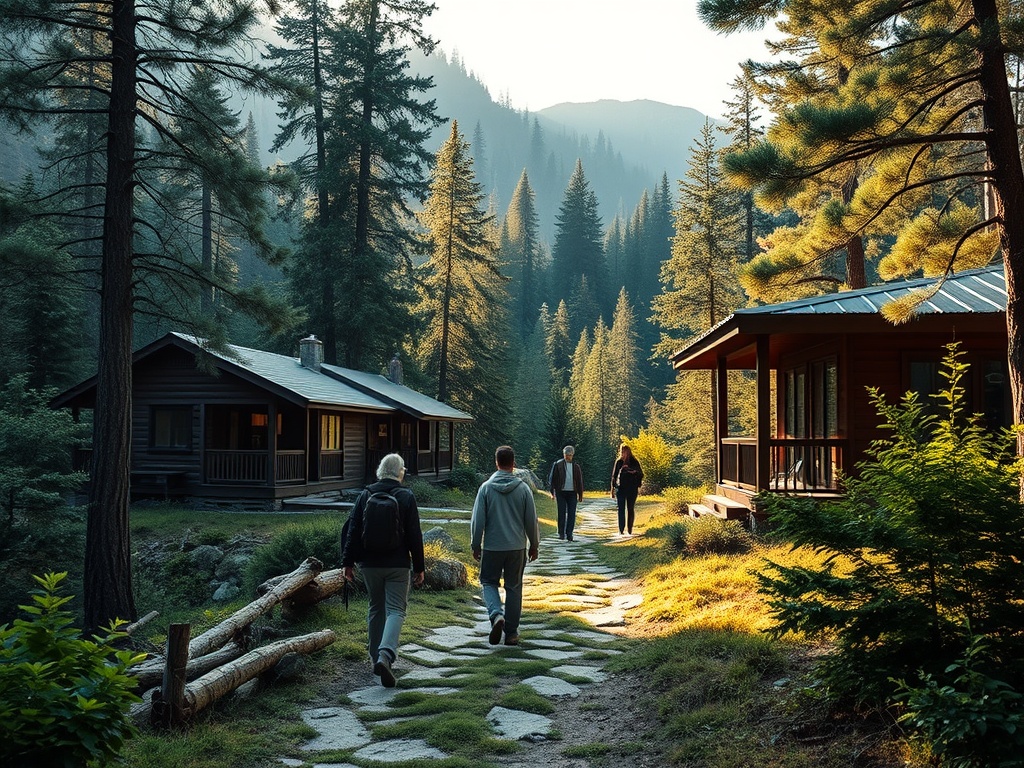
Mountain, Nature & Adventure Lodging
Nature-based lodging can create meaningful access to mountains, forests, deserts, lakes, and protected landscapes, but a remote setting is not proof of sustainability. Travelers should evaluate how a lodge is built and operated, how guests move through the landscape, and whether local ecosystems and communities are treated as core assets rather than scenery.
Key Takeaway: Nature Proximity Is Not the Same as Low Impact
Cabins, safari lodges, mountain resorts, glamping sites, and wilderness hotels can have very different environmental footprints. A small property may still rely on intensive water use, generators, long supply chains, or sensitive land. A large lodge may have sophisticated resource systems and carefully managed visitor access. The right comparison focuses on evidence and context.
Understand the Landscape Before the Lodging
Start by learning what makes the destination environmentally sensitive. Is water scarce? Is the property near wildlife habitat, dunes, wetlands, alpine vegetation, or a protected shoreline? Are there seasonal closures, fire restrictions, erosion risks, or limits on vehicle access?
This information helps travelers judge whether a hotel's practices match local needs. For example, water efficiency may be especially important in a dry region, while visitor routing and wildlife disturbance may dominate in a forest reserve. A generic checklist cannot replace local context.
The Global Sustainable Tourism Council hotel criteria include biodiversity, resource management, cultural impacts, and community considerations, making them a useful reference for evaluating nature-oriented accommodation.
Ask How the Property Manages Guest Access
A lodge's biggest environmental influence may come from what guests do after leaving the room. Trails, vehicle routes, boat access, wildlife viewing, campfires, ski areas, and adventure activities all require management.
Look for clear rules about staying on designated routes, wildlife distances, waste, fires, feeding animals, and sensitive areas. National Park Service guidance on Leave No Trace principles emphasizes planning ahead, using durable routes, packing out waste, leaving natural objects in place, minimizing fire impacts, respecting wildlife, and considering other visitors. Local rules always take priority, but those principles are a useful baseline.
Good lodges make this guidance easy to follow through trained guides, maps, briefings, transport plans, and equipment policies. Weak operators may market “untouched nature” while encouraging behavior that damages the very place guests came to experience.
Examine Water, Waste, and Energy in Remote Settings
Remote properties can face infrastructure constraints that urban hotels do not. Waste may travel long distances, water may come from limited sources, and electricity may depend on off-grid systems. That makes efficiency and maintenance especially important.
Ask whether the property explains its water source, wastewater treatment, energy system, waste handling, and supply logistics. Specific answers are more useful than claims that the lodge is “self-sufficient” or “off grid.” An off-grid property can still use significant fuel or water; the term describes infrastructure, not performance.
The logic behind how sustainability shapes amenity decisions is especially relevant in remote lodging because every pool, hot tub, landscaped area, minibar, or motorized activity may add operational complexity.
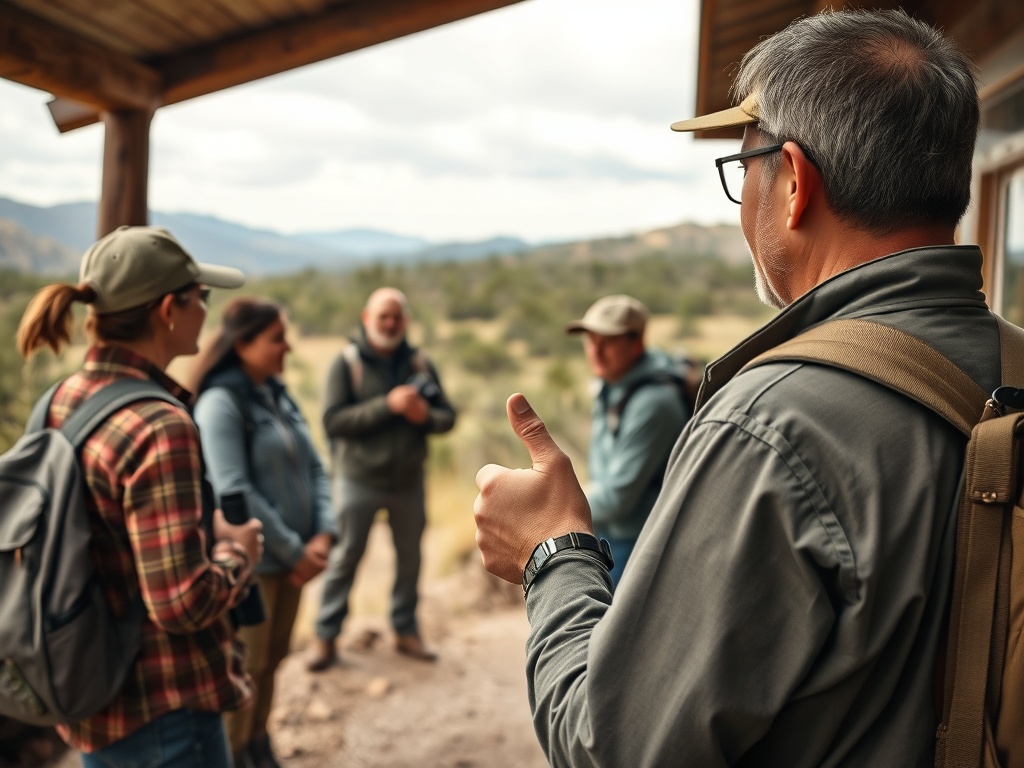
Building Design Should Respond to the Site
Nature-based accommodation often promotes architecture as part of the experience. Travelers can look for buildings that respond to climate and terrain through shading, insulation, natural ventilation where practical, durable materials, compact footprints, and thoughtful placement.
The goal is not to assume that rustic materials are sustainable. Timber, stone, canvas, and thatch all have sourcing and maintenance implications. A credible property should be able to explain why materials were chosen, how construction affected the site, and how buildings are maintained over time.
Energy benchmarking is another sign of operational discipline. ENERGY STAR's building benchmarking guidance describes the value of tracking energy performance against baselines and comparable buildings. The exact tool may not apply in every country or property type, but the management principle is broadly useful: measure before claiming improvement.
Community Relationships Matter as Much as Conservation Language
Nature tourism often takes place near rural, Indigenous, or resource-dependent communities. Responsible lodging should respect land rights, cultural practices, livelihoods, and local priorities. Travelers can look for transparent information about local employment, purchasing, guiding, ownership partnerships, community access, and how cultural experiences are developed.
Avoid assuming that a lodge is beneficial simply because it employs local people or displays local craft. Quality of employment, decision-making power, fair purchasing, and respectful interpretation matter too. The strongest properties explain relationships without turning communities into marketing props.
Choose Wildlife Experiences Carefully
Wildlife viewing can generate conservation awareness and local income, but it can also disturb animals when operators chase, bait, feed, crowd, or handle them. Ask how guides maintain distance, limit group size, respond when animals move away, and follow seasonal restrictions.
For families, clear rules are particularly valuable because children may need simple explanations and safe viewing setups. The guide to sustainable family travel offers practical ways to make responsible behavior part of a family trip without turning every activity into a lesson.
Wellness programs in nature also deserve attention. Outdoor yoga, hot springs, forest bathing, spa treatments, and fitness retreats can be low impact or resource intensive depending on design. See sustainability in wellness hospitality for a closer look at water, products, indoor environments, and guest comfort.
Distinguish Certification From Marketing
If a lodge promotes a sustainability certification, check the certifying body and the scope. Does it cover hotel operations, buildings, tourism activities, or only one product? Is the standard independently verified? Are current details available?
The FTC's Green Guides summary is useful even outside its U.S. regulatory context because it explains why broad environmental claims and vague seals can confuse consumers. A specific, explained certification is more informative than an unexplained green icon.
Use a Nature-Lodge Evaluation Framework
Before booking, compare properties across six areas:
Six Areas to Compare
- Site sensitivity and local environmental risks
- Guest access, trails, vehicles, and wildlife rules
- Water, wastewater, waste, and energy systems
- Building siting, materials, and maintenance
- Local employment, sourcing, and community relationships
- Specific evidence behind sustainability claims
No lodge will be perfect across every category. The purpose is to understand trade-offs and choose a property whose practices fit the landscape.
Consider Seasonality Before Booking
Nature-based properties can operate very differently across seasons. Water availability, wildlife movement, trail conditions, fire risk, snowfall, heat, and local staffing may change the services that can be offered responsibly. Check seasonal access and activity information before assuming that a lodge operates the same way year-round. Choosing an appropriate season can improve safety and reduce pressure on sensitive sites, while also helping travelers set realistic expectations about transport, meals, guides, and outdoor amenities.
Leave the Destination Capable of Hosting Future Guests
A strong nature-based stay helps visitors experience a place without treating access as unlimited. Choose lodges that manage guests carefully, explain their operating systems, and show respect for local people and habitats. Once you arrive, follow site-specific rules, use trained guides, and keep your own footprint modest. Responsible nature travel is less about finding a flawless “eco lodge” and more about supporting properties that treat the landscape as something to steward rather than consume.