

A retail pop-up is usually better when the goal is immersive brand experience, product trial, sales, or appointment-style engagement. A street team activation is usually better when the goal is fast awareness, sampling, local buzz, or directing people toward another action with lower setup complexity.
TL;DR: Use this as the operating snapshot before building the full plan.
- Pop-ups offer more control and depth, but they usually require more planning, space, staffing, and approvals.
- Street teams can move quickly and reach people in public settings, but message control and measurement can be harder.
- The right choice depends on audience behavior, budget, location rules, product needs, and the desired conversion.
The Core Difference
A retail pop-up creates a temporary branded environment where people can browse, try, buy, learn, or meet representatives in a more controlled setting. A street team activation sends trained staff into public or high-traffic areas to distribute samples, start conversations, share offers, or guide people toward a store, event, website, or pop-up location.
Both formats can support retail growth, but they solve different problems. A pop-up is a destination. A street team is a mobile outreach channel. Teams comparing formats should start with strategy, not trend appeal. The Events Industry Council sustainability principles can also help teams think about environmental and community impact when choosing materials, travel, staffing, and local operations.
When a Retail Pop-Up Fits Best
Choose a pop-up when the product needs explanation, trial, styling, tasting, demonstration, customization, or a premium environment. Pop-ups are also useful when the brand wants content capture, retail sales, private appointments, loyalty engagement, or deeper sponsor and partner moments.
The tradeoff is complexity. Pop-ups can involve leases or venue agreements, buildout, staffing, inventory, point-of-sale systems, insurance, permits, signage, security, cleaning, and accessibility planning. Teams should test the concept with event feasibility planning before committing to a high-cost location or build.
When a Street Team Activation Fits Best
Choose a street team when the goal is reach, sampling, local visibility, quick education, QR-driven signups, or directing foot traffic. Street teams can support festivals, store openings, product launches, campus campaigns, tourism districts, and neighborhood promotions.
The tradeoff is lower environmental control. Weather, foot traffic, public space rules, staff training, message consistency, and measurement can affect results. Teams should verify local rules before distributing samples, using amplified sound, collecting data, or occupying public areas.
Side-by-Side Comparison
Format Comparison Snapshot
| Decision Factor | Retail Pop-Up | Street Team Activation |
|---|---|---|
| Best for | Immersive experience, sales, trial, appointments | Awareness, sampling, traffic direction, local buzz |
| Control | Higher control over environment and brand presentation | Lower control due to public setting |
| Complexity | Higher planning, setup, staffing, permits, inventory | Lower setup but stronger field training needed |
| Measurement | Sales, dwell time, signups, appointments, content capture | Samples distributed, scans, conversations, traffic lift |
| Budget pressure | Space, build, labor, operations, insurance | Staffing, materials, permits, routing, supervision |
| Risk areas | Underused space, high fixed cost, operational delays | Weak message control, weather, low-quality interactions |
This comparison is a planning guide, not an objective ranking. The stronger format is the one that matches the audience behavior and event goal.
Budget and Audience Questions to Ask
Ask where the audience already spends time, how much explanation the product needs, what action matters most, and what environment supports trust. A high-consideration product may need a pop-up. A simple sample or local awareness campaign may fit a street team.
Budget should include more than the obvious cost. For a pop-up, include space, build, utilities, staffing, inventory, signage, permits, insurance, cleaning, and teardown. For a street team, include staff training, uniforms if used, sampling stock, permits if needed, route supervision, transport, weather protection, and data capture. Teams dealing with cost pressure should review event budget control methods before choosing the cheaper-looking option.
Operational Risks and Safeguards
For pop-ups, protect the experience with clear staffing roles, inventory controls, queue planning, accessibility review, and a daily opening checklist. For street teams, protect quality with scripts, roleplay training, route plans, supervisor check-ins, compliant data collection, and clear rules for public interaction.
If public promotion includes endorsements, creators, or paid partners, review FTC endorsement guidance so connections are disclosed where required. For public-space activity, official local guidance should be checked before the campaign is approved.
Pick the Format That Matches the Promise
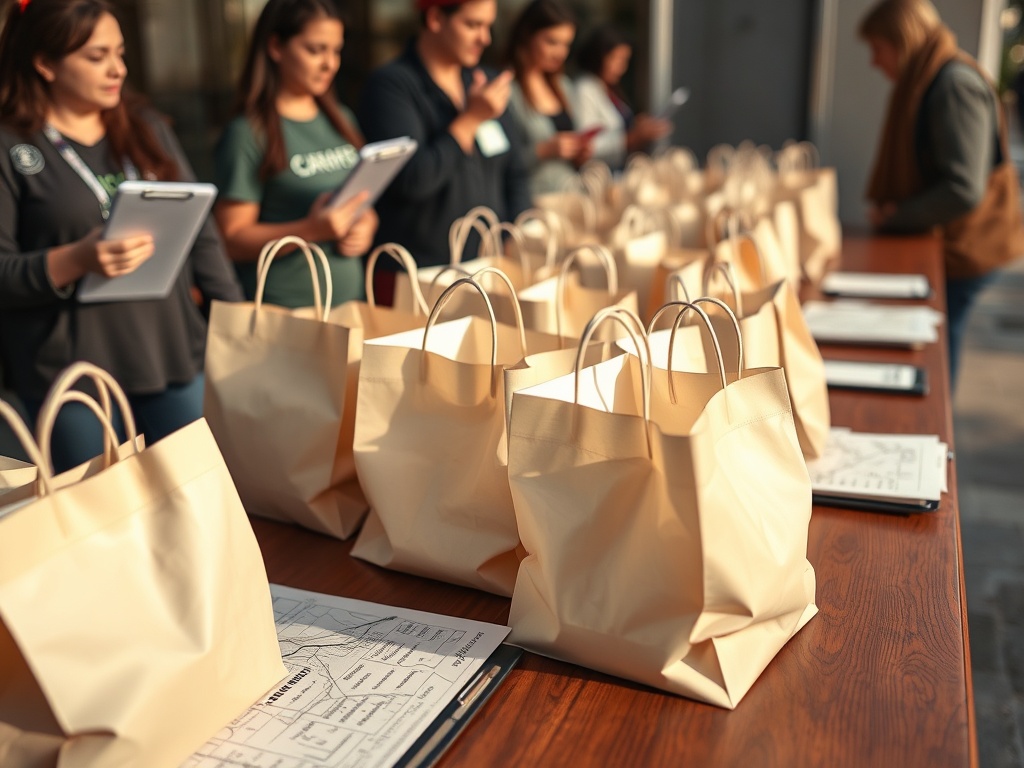
A pop-up gives depth. A street team gives reach. Some campaigns use both: street teams drive attention and traffic, while the pop-up delivers the deeper experience. The best choice is not the flashiest format; it is the format the team can deliver responsibly with the budget, timeline, and audience available.
Educational note: Permits, insurance, sampling rules, public-space access, consumer protection laws, data collection rules, and participation requirements vary by location and event type. Verify details with official organizers, venues, authorities, insurers, and qualified advisors before making operational decisions.
Choosing a Practical Test Format
Before spending heavily on either format, consider a small test. A retailer might run a short pop-up in a lower-risk space, a limited street team route, or a combined test where field staff direct people to a compact experience zone. The test should measure the action that matters, such as qualified conversations, sample redemption, signups, appointments, sales, or repeat engagement.
Define success before the test starts. Otherwise, the team may call any visible activity a win. Decide what data will be collected, how staff will record interactions, what feedback will be requested, and which costs will be included in the review. A practical test helps the team choose based on evidence rather than format preference.
Measurement should match the format. A pop-up may justify deeper metrics such as dwell time, product trial, basket size, appointment booking, and content capture. A street team may need field interactions, sample distribution, QR scans, route performance, and follow-up conversion. Comparing the two with the same metric can distort the decision, especially when one format is built for depth and the other for reach.
Staff training is also different. Pop-up staff may need product knowledge, hospitality cues, inventory awareness, and transaction handling. Street teams may need concise scripts, local route awareness, rejection handling, and rules for public interaction. The staffing model should match the format, not just the headcount.
Think about community fit as well as campaign performance. A street team that feels intrusive can weaken brand perception, while a pop-up in the wrong location can feel empty even if the build looks polished. The format should respect the setting, the audience’s attention, and any rules that protect public space.
A final choice should include both brand fit and operational fit. If the team cannot staff, measure, and support the format properly, the concept should be reduced or redesigned.