Older adults can stay active in warm weather, but high heat deserves more caution because people aged 65 and older are more vulnerable to heat-related illness. The safest approach is to move workouts to cooler times or indoor spaces, reduce intensity when conditions are harsh, stay appropriately hydrated, and stop immediately if symptoms such as weakness, dizziness, or faintness appear.
TL;DR Check the heat before you train, choose early morning or evening when possible, use air-conditioned indoor options during extreme heat, drink fluids according to your health plan, and never treat heat symptoms as something to push through.
Why heat is a bigger concern after 65
The CDC guidance for adults aged 65 and older in hot weather notes that older adults may not adjust as well to sudden temperature changes, are more likely to have chronic medical conditions, and are more likely to take medicines that affect temperature control or sweating. These factors do not mean exercise should stop for the summer; they mean the environment becomes part of the exercise prescription.
Heat risk also depends on humidity, direct sun, air quality, workout intensity, duration, clothing, hydration, and individual health. A temperature that feels manageable for a short shaded walk may be inappropriate for a long fast walk in direct sun.
Choose the environment before choosing the workout
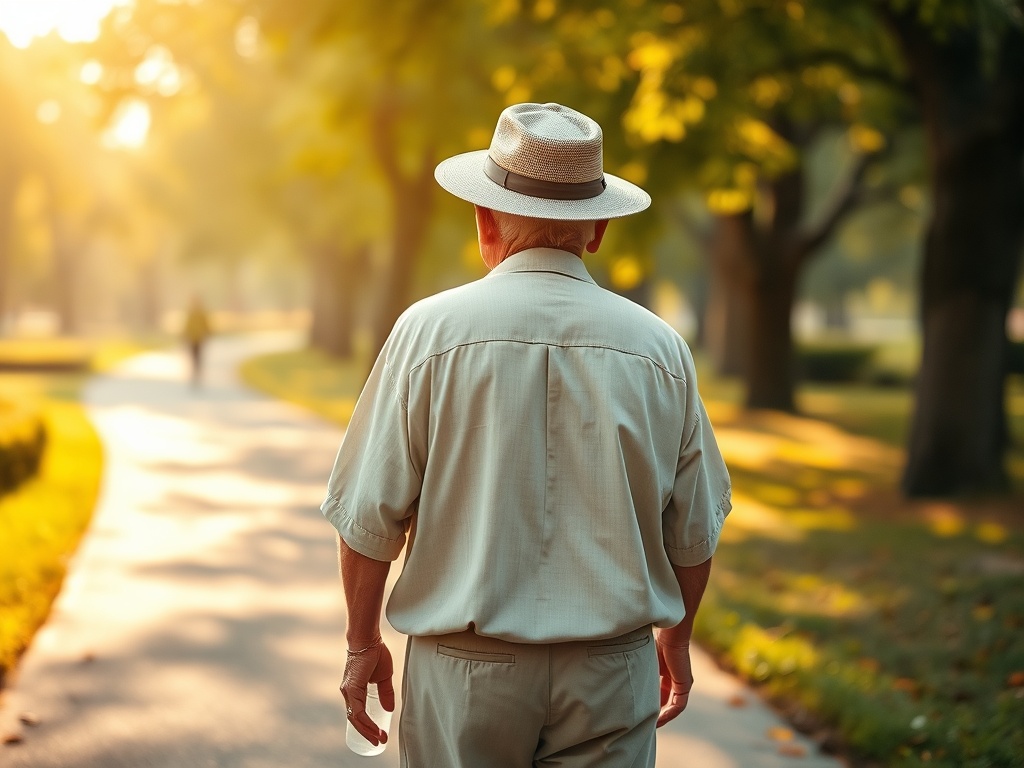
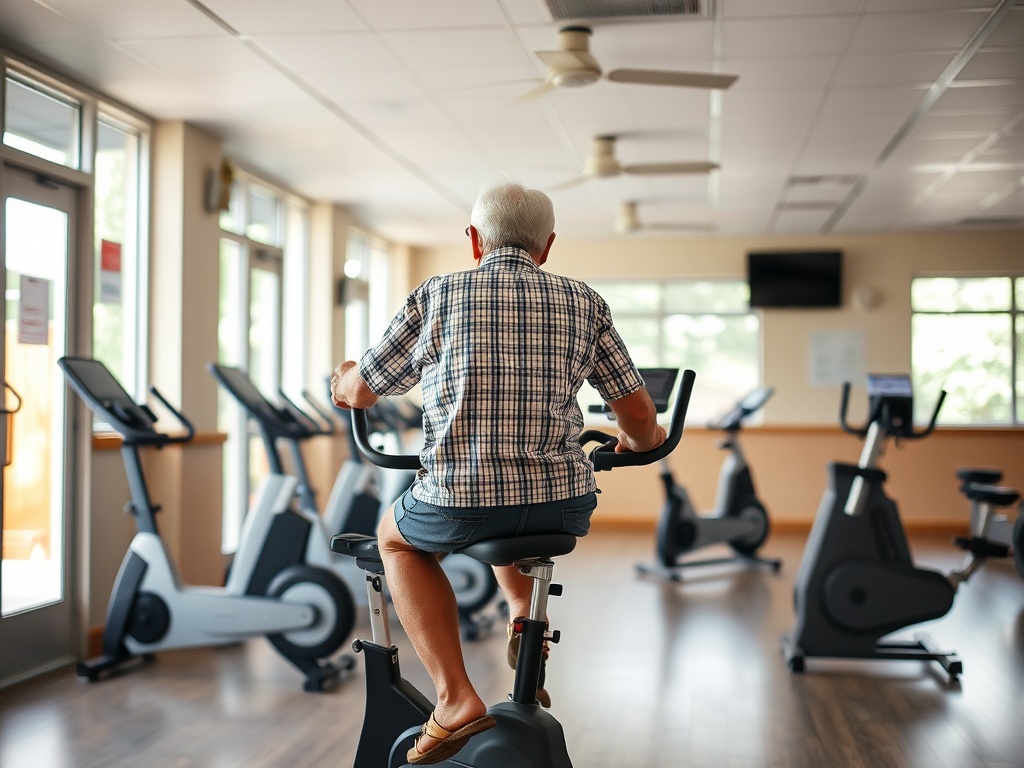
On hot days, the safest adjustment is often environmental rather than motivational. Move outdoor exercise to early morning or later evening, choose shaded routes, shorten the session, or use an air-conditioned indoor space. A mall, community center, indoor track, home walking routine, or stationary bike can preserve the habit without making heat tolerance the goal.
The CDC heat guidance for athletes and exercisers recommends limiting outdoor activity during the hottest part of the day, starting slowly, pacing activity, and drinking more water than usual in hot conditions. The same principles are relevant to recreational exercise, with extra caution for older adults.
Use a heat-adjusted intensity rule
If your normal walk feels unusually hard at the same pace, slow down. If heart rate is higher than expected, breathing feels disproportionate, or you are unable to speak comfortably during an easy session, reduce the effort. Heat adds cardiovascular strain, so holding the same pace can require more work.
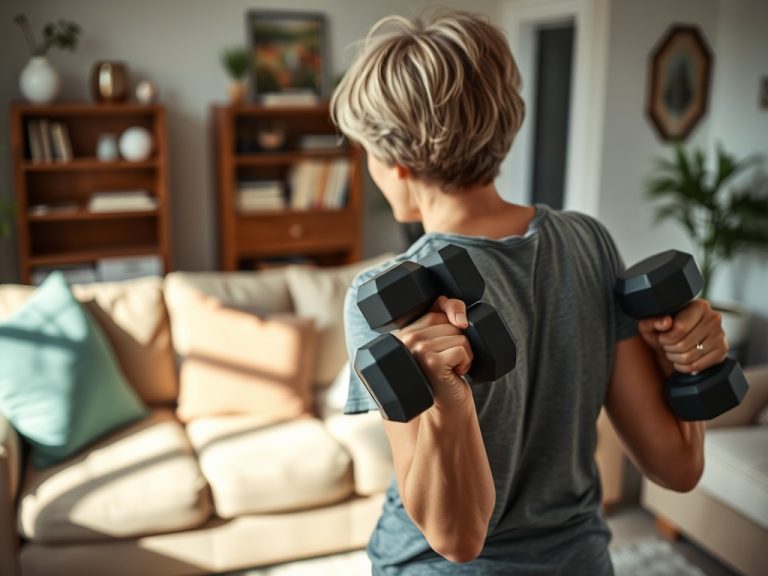
For resistance training in a warm garage or outdoor area, reduce load or volume if you cannot keep the environment reasonably cool. Heavy sets already create substantial effort. Do not combine maximal lifting, direct sun, and dehydration as a test of toughness.
Hydration must fit your medical situation
The CDC advises older adults to stay hydrated and not wait until thirst appears during hot weather. However, some people with heart failure, kidney disease, or other conditions are instructed to limit fluid or manage sodium carefully. If your clinician has given you a fluid restriction or you take medicines that affect fluid balance, follow that medical plan and ask how it should change during heat.
Do not assume sports drinks are automatically necessary for every walk. For many shorter sessions, water and normal meals may be enough. Longer exercise, heavy sweating, or specific medical needs may change the plan, so individualized guidance matters.
Know the warning signs that end the session
- Feeling faint, weak, unusually dizzy, or confused.
- A sudden severe headache, nausea, or vomiting.
- Muscle cramping that is worsening rather than settling.
- Unusually heavy sweating followed by feeling very unwell, or hot dry skin with altered mental status.
- Chest pain, severe shortness of breath, or symptoms that are new for you.
If you feel faint or weak during exercise in the heat, stop activity and move to a cool place. Severe confusion, loss of consciousness, seizures, or suspected heat stroke are emergencies and require immediate medical help.
Build heat exposure gradually
If you have been exercising indoors and the weather suddenly turns hot, do not expect outdoor performance to match immediately. Start with shorter, easier sessions and increase exposure gradually as conditions and your health allow. Heat acclimatization is a physiological process; it is not a reason to deliberately train through dangerous conditions.
If joint or tendon issues limit your options, how to build resilience in tendons and connective tissue over time can help you choose progressive loading without adding unnecessary environmental stress.
Use technology only as a secondary check
Weather apps, heat alerts, heart-rate displays, and activity trackers can provide useful context, but they do not override symptoms. Consumer devices are not heat-illness diagnostic tools. If you use one, keep the setup simple. Should beginners use fitness trackers or keep it simple? explains how to choose a metric that supports a real decision.
A family member or neighbor can also be part of the safety plan on very hot days. Tell someone where you are walking, carry a phone if appropriate, and choose a route with shade and easy access to cooling. Shorter loops close to home can make it easier to stop early when conditions change.
Make the indoor backup automatic
Write down an indoor version of your usual workout before the next heat wave. If the outdoor walk is unsafe, use a hallway or mall walk. If the outdoor strength session is too hot, use lighter equipment indoors. If you normally garden for activity, substitute a short indoor circuit. The decision should be simple enough that you do not bargain with the weather.
If caregiving or household responsibilities also affect your schedule, use a flexible floor-and-ceiling approach so weather disruptions do not automatically erase the week.
Check air quality as well as temperature
Hot weather can coincide with poor air quality, wildfire smoke, or high ozone. People with heart or lung conditions may be especially sensitive. Before outdoor exercise, check local air-quality information and follow health advisories. The CDC also advises paying attention to air quality during extreme heat, particularly for people with asthma or other lung disease. If air quality is poor, an indoor air-conditioned option may be safer even when the temperature alone seems manageable.
This is another reason to keep an indoor backup workout ready. Weather safety is not only about heat; the combination of heat, humidity, sun, and air pollution can change the risk of the same walking route from one day to the next. Recheck conditions before each outdoor session.
Protect consistency by respecting the heat
Safe summer exercise is not about proving you can tolerate high temperatures. It is about preserving activity while reducing preventable risk. Check conditions, choose a cooler setting, scale intensity, hydrate according to your health needs, and stop at the first meaningful warning signs. A modified workout today is better than a heat-related illness that interrupts activity for weeks.