
Direct answer: Fast-track construction: benefits, risks, and planning tips comes down to understanding show owners and project teams how overlapping design and construction can help schedules while increasing coordination and change risk. The safest and most useful approach is to define the risk, match the method to the site, and document decisions before field conditions force rushed choices.
TL;DR: Fast-track construction overlaps design, procurement, and construction to reduce calendar time. The tradeoff is less certainty at the start, so teams need strong decision control, early constructability review, and disciplined change management.
For a stronger starting point, compare the article guidance with Construction Industry Institute fast-track design guidance, then translate the concept through local codes, project documents, and the owner's actual risk profile.
Why schedule overlap needs disciplined planning
The decision around fast-track construction is not only a technical selection. It affects risk, budget discipline, scheduling, owner expectations, and the way work is verified later. For a problem-aware reader, the practical value is knowing which questions to ask early and which warning signs deserve a closer look. A narrow, documented approach reduces confusion when estimators, designers, supervisors, inspectors, and maintenance teams all look at the same issue from different angles.
Because the search intent is informational, this article focuses on how to evaluate the issue in real project conditions. It avoids blanket claims and treats outcomes as context-dependent. Published standards, manufacturer instructions, jurisdictional rules, and the professional team’s judgment should always control final decisions.
A useful related angle is how window replacement affects comfort, noise, and energy use, because adjacent planning choices often shape budget control, maintenance workload, and project communication long before work begins.
What fast-track really changes
Fast-track construction does not simply mean working faster. It changes the sequence. Design, procurement, permitting, and construction overlap so early packages can start before every later detail is complete. This can help projects with urgent occupancy needs, seasonal constraints, long-lead equipment, or revenue pressure. It also means the team is making commitments while some information is still developing. That is where both the opportunity and the risk live.
A helpful way to keep the discussion grounded is to separate verified requirements from preferences. Verified requirements include adopted codes, contract documents, approved submittals, tested product data, and written manufacturer instructions. Preferences include a crew’s favored sequence, a manager’s reporting style, or a contractor’s typical means and methods. Both matter, but they should not be treated as the same kind of evidence.
Benefits when the team is ready
The main benefit is schedule compression. Early site work, foundations, structural packages, or equipment procurement may begin while interiors or later systems are still being refined. Fast-tracking can also reveal field conditions earlier, which helps the team adjust before every dollar is committed. For owners with high carrying costs, public commitments, or operational deadlines, that time value can be meaningful. For broader building-performance context, teams can also compare their assumptions against AIA Best Practices before setting inspection, coordination, or documentation expectations.
A helpful way to keep the discussion grounded is to separate verified requirements from preferences. Verified requirements include adopted codes, contract documents, approved submittals, tested product data, and written manufacturer instructions. Preferences include a crew’s favored sequence, a manager’s reporting style, or a contractor’s typical means and methods. Both matter, but they should not be treated as the same kind of evidence.
Fast-track sequencing compared with traditional delivery
| Area | Traditional sequence | Fast-track sequence |
|---|---|---|
| Design completion | More complete before construction starts | Released in packages while later design continues |
| Schedule opportunity | Lower overlap and fewer early procurement decisions | Earlier field start and long-lead procurement |
| Risk profile | More scope clarity before pricing | Higher coordination and rework risk if decisions change |
| Management need | Standard review cadence may be enough | Frequent issue tracking and quick owner decisions are critical |
This comparison is a screening tool, not a final design or procurement decision. The more critical the asset, wall, system, work package, or safety exposure is, the more important it becomes to verify assumptions with the appropriate professional. A table can clarify the conversation, but it cannot replace inspection, calculations, testing, or local code review when those are required.
Risks that need active control
The risk is that early work may be affected by later decisions. A structural penetration, equipment clearance, utility route, finish selection, or code interpretation can ripple backward into work already installed. Fast-track projects are especially vulnerable to unclear decision authority, slow submittal review, incomplete coordination, and optimistic assumptions about permits or procurement. The issue is not that fast-track is bad. The issue is that it punishes weak communication.
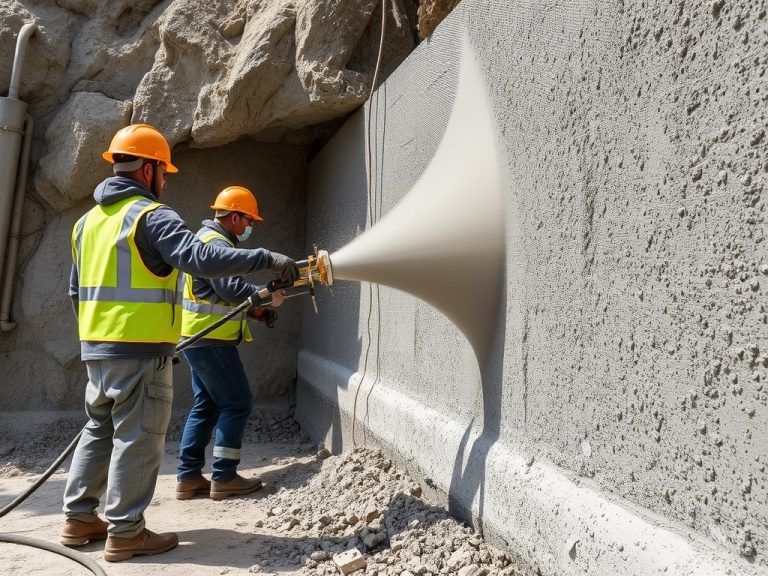
The cost and schedule impact usually grows when these details are discovered after mobilization. Teams can reduce that risk by defining acceptance criteria early, assigning responsibility for follow-up, and making sure the person approving a change understands the downstream maintenance or operational effect. This is also where lessons from shotcrete vs cast concrete for retaining walls and repairs can help teams avoid treating linked construction decisions as isolated tasks.
Planning habits that reduce rework
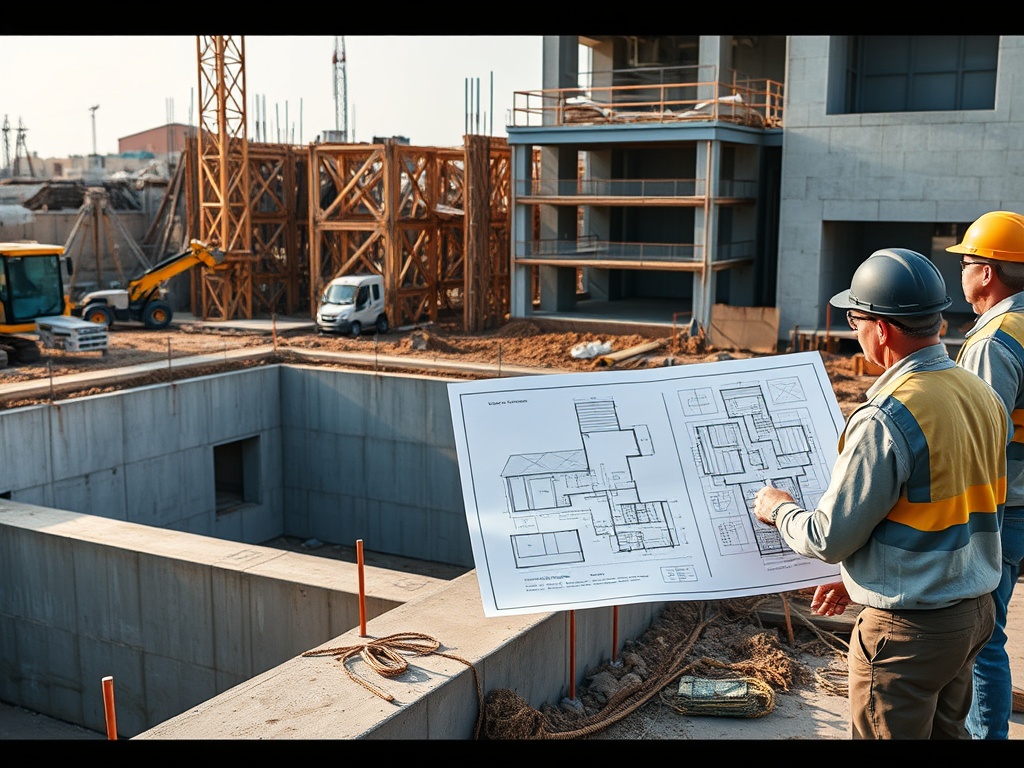
Fast-track work needs a release plan that defines what is frozen, what is provisional, and what is still being studied. Each package should name assumptions, exclusions, interfaces, and decision deadlines. The owner should understand that “released for construction” does not mean all later risk disappears. The team also needs a visible change log so cost and schedule impacts are connected to the decisions that caused them.
The cost and schedule impact usually grows when these details are discovered after mobilization. Teams can reduce that risk by defining acceptance criteria early, assigning responsibility for follow-up, and making sure the person approving a change understands the downstream maintenance or operational effect.
Before closing the plan, compare this topic with cordless tool platforms: what matters beyond battery voltage so the final checklist supports both immediate decisions and long-term upkeep.
Fast-track planning guardrails
- Use package-release criteria so no team confuses preliminary information with final direction.
- Hold constructability reviews before each major release package.
- Track owner decisions with due dates, responsible parties, and downstream impacts.
- Protect contingency for coordination risk rather than treating it as extra savings.
- Avoid fast-tracking scopes with unresolved code, utility, site, or design conflicts.
How to keep fast-track decisions under control
Fast-track delivery requires careful legal, insurance, and contract coordination. Owners should not treat early construction as permission to skip design review, permitting, or quality assurance.
Use the checklist above to start a focused conversation with the people responsible for design, field execution, safety, commissioning, or maintenance. The next productive step is to compare current documents with actual site conditions and record any assumptions that still need confirmation.