
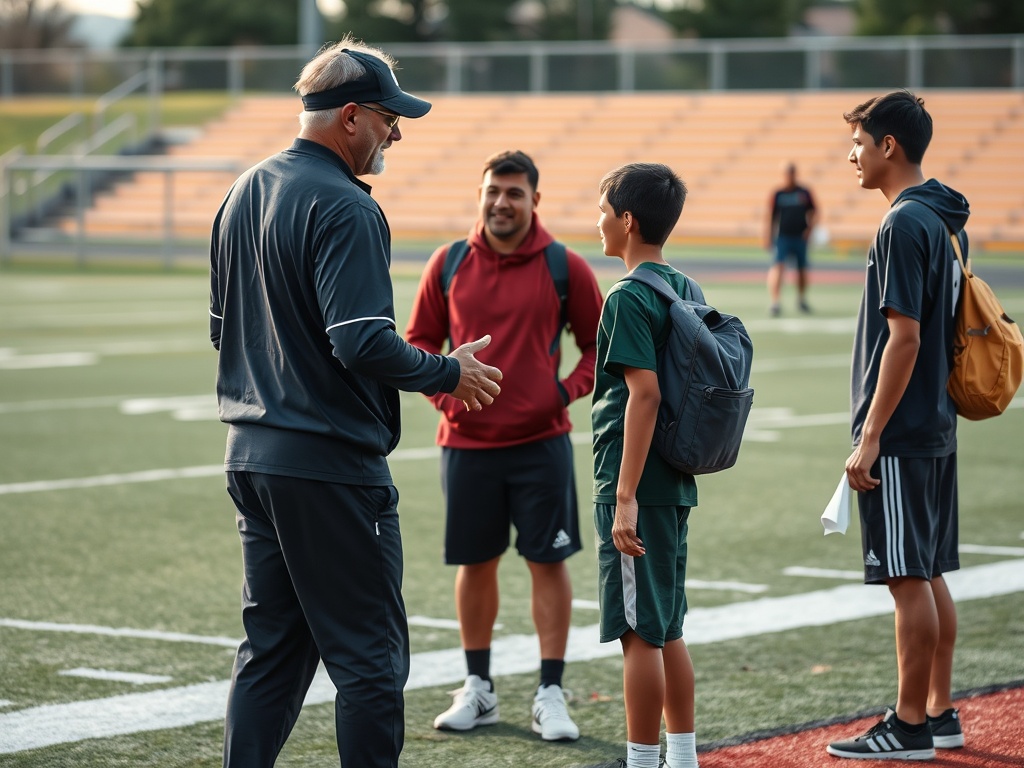
Trust grows when coaches, athletes, and parents understand roles, communicate early, and handle concerns through clear channels. The goal is not total agreement on every decision, but a shared process that keeps the athlete’s development and wellbeing at the center.
Trust-Building Summary
Key takeaway: Trust grows when coaches, athletes, and parents understand roles, communicate early, and handle concerns through clear channels. The goal is not total agreement on every decision, but a shared process that keeps the athlete’s development and wellbeing at the center.
Why Trust Breaks Down in Sports Settings
The challenge behind building trust between coaches is rarely one dramatic moment. It is usually a stack of smaller misses: unclear expectations, inconsistent feedback, sideline tension, confusing playing-time conversations, or parents hearing only a child’s frustrated version of practice. Athletes notice these signals quickly. When adults are not aligned, players may become anxious, defensive, or unsure whose guidance to follow.
A healthy sport environment starts with respectful behavior. The Special Olympics coaches code of conduct frames respect, dignity, and professionalism as basic expectations for coaches, athletes, officials, parents, and spectators. That principle applies well beyond one organization.
Define Roles Before Conflict Starts
Coaches are responsible for instruction, team standards, safety, practice structure, and competitive decisions. Parents support logistics, emotional steadiness, health information, and values at home. Athletes own effort, honesty, preparation, and willingness to learn. Problems begin when these roles blur without discussion.
A parent can ask about development goals, but should not coach from the sideline during games. A coach can set effort expectations, but should not dismiss family concerns about health, school workload, or emotional strain. An athlete can advocate for themselves, but should learn to do it respectfully and at the right time.
| Role | Healthy Responsibility | Trust-Breaking Pattern |
|---|---|---|
| Coach | Explains standards and gives usable feedback | Only speaks when correcting mistakes |
| Parent | Supports routine and asks process-based questions | Turns every concern into a playing-time complaint |
| Athlete | Communicates effort, confusion, and goals | Hides injuries or waits for adults to solve every issue |
Set Communication Windows and Boundaries
Trust improves when people know when and how to talk. A 24-hour rule after emotional games can prevent conversations from starting in anger. A planned check-in every few weeks can reduce surprise complaints. Written team expectations can clarify attendance, effort, playing-time philosophy, injury reporting, travel rules, and parent conduct.
For youth settings, this connects directly with what a healthy coach-parent-athlete relationship looks like because the same issue can look different for a ten-year-old beginner, a high school starter, or an athlete returning from injury.
The best communication is specific. “My child needs more confidence” is understandable but broad. “Can you suggest one practice focus that would help them compete for more minutes?” invites coaching. “Why do you dislike my child?” escalates. “What should they improve before the next evaluation?” creates a path forward.
Teach Athletes to Speak First When Appropriate
Athlete voice is a trust builder. Not every concern should go straight from parent to coach. For age-appropriate issues like role clarity, skill goals, or confusion about feedback, the athlete can often start the conversation. Parents can help rehearse the question at home: “Coach, what is one thing I can do this week to earn more trust in games?”
This does not mean young athletes must handle serious issues alone. Health concerns, bullying, unsafe conduct, discrimination, or repeated emotional distress require adult involvement. The difference is between normal development conversations and issues that affect safety or wellbeing.
Repair Trust After a Tense Moment
Every season has tension. The repair process matters more than pretending conflict never happens. Start with facts: what occurred, who was present, what was said, and what decision needs to be made now. Then separate feelings from accusations. A parent can say, “My athlete felt embarrassed after that correction,” without claiming the coach intended harm. A coach can explain the teaching point while acknowledging the delivery could have been clearer.
When the concern may involve fatigue, burnout, or emotional overload, use a health-first lens. The article on signs an athlete needs rest gives families and coaches a way to talk about recovery without framing rest as weakness.

Common Errors That Damage Confidence
Coaches lose trust when expectations change without explanation, when favorites appear immune to standards, or when feedback becomes personal rather than behavioral. Parents lose influence when they use public pressure, compare children, or turn every game into a referendum on coaching quality. Athletes lose credibility when they skip responsibility, hide effort problems, or repeat private team issues outside the group.
A useful standard is this: criticism should be specific enough to act on and respectful enough to repeat in front of the person being discussed. If a sentence fails that test, it probably needs to be rewritten before it is spoken.
A Three-Meeting Framework for the Season
The preseason meeting should explain values, roles, schedule, safety, and communication channels. The midseason check-in should review development, not just results. The postseason conversation should summarize growth, give next steps, and invite feedback on the process. This rhythm prevents the only serious conversation from happening after disappointment.
Trust Habits That Carry Into the Next Season
Trust between coaches, athletes, and parents is built through repeated small signals: clear roles, calm timing, consistent standards, honest recovery conversations, and athlete ownership. The next step is to write one short communication plan before the season becomes stressful, then revisit it when emotions are lower and learning is easier.
Scripts That Reduce Misunderstanding
A coach can say, “Here is what I value: effort, attention, respectful communication, and improvement over time.” A parent can say, “I want to support the process, so please tell me the best way to raise concerns.” An athlete can say, “I understand my role today. What should I work on to expand it?” Simple scripts keep conversations from becoming personal battles.
Written communication should be calm and short. Long emotional messages often create more confusion. If the topic is sensitive, write the main concern, request a meeting, and avoid diagnosing motives. A clear conversation is usually better than a long thread.
How Trust Shows Up on Difficult Days
Trust does not mean nobody is upset after a loss, benching, or mistake. It means people know how to respond. The coach explains the decision. The parent manages emotion away from the sideline. The athlete receives feedback without being shamed. When the process is predictable, disappointment becomes easier to handle.
What Administrators Can Do
Leagues, schools, and clubs can support trust by giving coaches communication templates, parent-meeting agendas, and clear escalation paths. This prevents each team from inventing its own process under pressure. Administrators should also make it clear which topics belong with the coach, which belong with a director, and which require immediate safeguarding or medical attention.
When the system is clear, families are less likely to rely on rumor. Coaches also feel less isolated when difficult conversations happen, which makes them more willing to communicate early.
The One-Page Agreement
Teams can reduce confusion with a one-page agreement that covers communication timing, attendance expectations, injury reporting, sideline standards, and how concerns move from athlete to coach to parent or administrator. It should be short enough to read before the season and clear enough to revisit when emotions rise. The document is not a legal shield; it is a shared reminder of how the team wants to work.