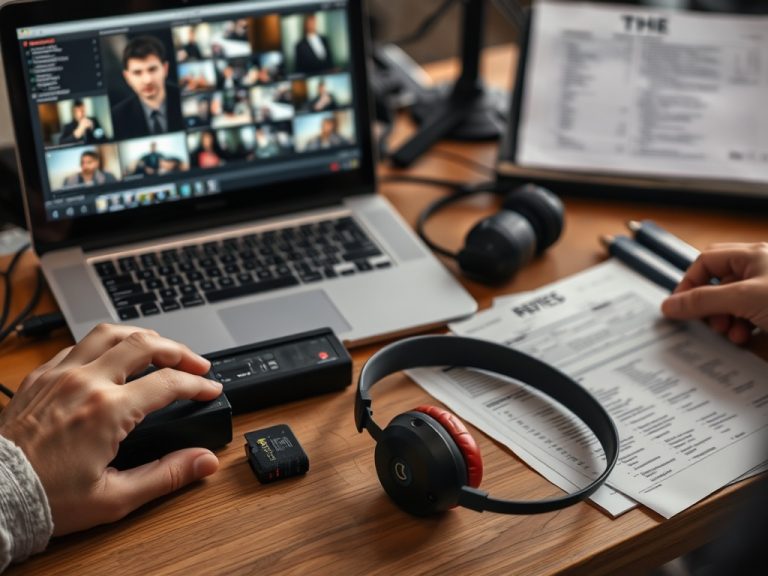

Audience data influences renewals, tour routing, and commission decisions by reducing uncertainty about demand, retention, geography, and audience fit. It does not replace creative judgment, but it changes which risks look reasonable.
Decision lens: Data helps entertainment teams ask where the audience is, what they return to, how much they spend or stream, and which signals are strong enough to justify another season, another city, or another commissioned work.
Renewals depend on more than raw popularity
When a show, podcast, series, or live format is being considered for renewal, decision-makers look for patterns. Total audience size matters, but so does completion, repeat behavior, subscriber impact, demographic fit, production cost, social conversation, and strategic value to the platform or institution. A smaller audience may support a renewal if it is loyal, distinctive, or valuable to a target segment. A larger audience may not be enough if costs are high and retention is weak.
Industry context helps clarify why these signals matter: Nielsen’s Gracenote metadata work shows how entertainment companies organize content data, while IFPI’s Global Music Report illustrates how recorded-music markets are tracked through audience and revenue patterns.
Nielsen’s Gracenote describes content metadata as a way to organize media and help companies maximize content investments and engage viewers. That kind of infrastructure matters because entertainment companies need to compare titles, formats, themes, talent, regions, and audience behavior with more precision than a headline view count allows. In music, IFPI’s Global Music Report offers another broad example of how the industry tracks listening, revenue, and market shifts to understand where attention and monetization are moving.
For beginners, the key point is simple: audience data creates a language for arguing about risk. A producer may love a project, but renewal requires a case. Data does not guarantee the right answer. It gives people a shared set of signals to interpret.
| Decision | Common data inputs | Human judgment still needed |
|---|---|---|
| Renew a series | Completion, repeat viewing, subscriber effect, cost per episode, audience sentiment, and critical role in a catalog. | Does the story have enough creative life for another season? |
| Route a tour | Streaming by city, ticket history, venue capacity, travel cost, radio or social signals, and local promoter knowledge. | Will the artist’s show translate to that room and market moment? |
| Commission new work | Past audience fit, comparable titles, talent track record, grant or sponsor goals, and underserved audience demand. | Is the work culturally and artistically worth the risk? |
Tour routing turns scattered signals into geography
Tour routing is one of the clearest places where data becomes practical. Listening by city, merch orders, email signups, past ticket scans, social engagement, search interest, and venue availability all help estimate where a live event may work. A band with strong streaming in a city may still avoid it if venue economics are poor. A podcast with a smaller but devoted audience in a college town may choose an intimate room over a larger market with weaker conversion.
Good routing also considers sequence. Cities are not isolated dots. Travel distance, crew costs, visa issues, weather, production needs, and rest days can decide whether a promising stop belongs on the route. Data may say there is demand in three places, but logistics decide the order and feasibility.

The same logic applies to festival planning and recap strategy. A team evaluating what makes a festival aftermovie effective as marketing should not only count views. It should ask where viewers are, whether they resemble future attendees, and whether the video moves them toward ticket purchase, sign-up, sponsor interest, or volunteer participation.
Commissions use data to frame opportunity, not dictate taste
Commissioning is often misunderstood as either pure inspiration or pure market calculation. In practice, commissioners balance mission, audience, budget, timing, and artistic need. A theater may commission a new work because its audience has responded to a theme, because a community partner has identified a gap, or because an artist’s voice fits a strategic season. A streamer may commission because metadata suggests a format, language, star, or genre has room to grow.
The danger is overfitting. Data can reveal what audiences already know how to choose. It can struggle with work that creates a new appetite. Many important cultural projects would look risky before audiences had language for them. Smart teams use data to understand barriers and context, not to eliminate surprise.
The signals that deserve caution
Not all data carries the same weight. Social noise may overrepresent highly active fans. A viral clip may not translate to ticket buyers. Streaming concentration may reflect playlist placement rather than deep fan intent. Survey responses may be polite rather than predictive. Geographic data may be distorted by travel, college calendars, or one-off press moments. The best decisions combine multiple signals rather than treating one metric as truth.
Cost also changes interpretation. A modest commission, low-risk tour stop, or inexpensive digital series can justify a lower certainty threshold. A large renewal or arena route needs stronger evidence. This is why audience data should be read alongside budget and business model, the same way independent creators should separate audience and income goals in setting skill, audience, and income goals separately.
A clearer way to read entertainment data
Ask three questions before making a decision from data. First, what behavior does this metric actually represent? Second, what decision are we trying to make? Third, what would prove us wrong after release, renewal, or tour? This keeps data from becoming decoration in a pitch deck. It turns it into a tool for learning.
Audience data is most useful when it sharpens questions. It can show where attention is concentrated, where loyalty is growing, and where the economics might work. The final decision still requires taste, responsibility, and a willingness to support work that may not be obvious from the past.
Questions to ask before approving the next move
Before approving a renewal, route, or commission, teams should ask what the data can and cannot see. Does the metric reflect committed behavior or casual sampling? Is the audience large, loyal, profitable, strategically important, underserved, or simply loud? Has the team compared the signal to cost and timing?
Those questions make data more useful because they slow down both overconfidence and fear. A risky commission may still be right if it advances mission and has a clear audience pathway. A popular format may still be wrong if it strains the budget or repeats a trend that has already peaked.
The best teams also write down what would count as success after the decision. A renewed series may need better completion, a routed show may need profitable sell-through, and a commission may need community engagement or critical development. Predefined signals make later reviews fairer.