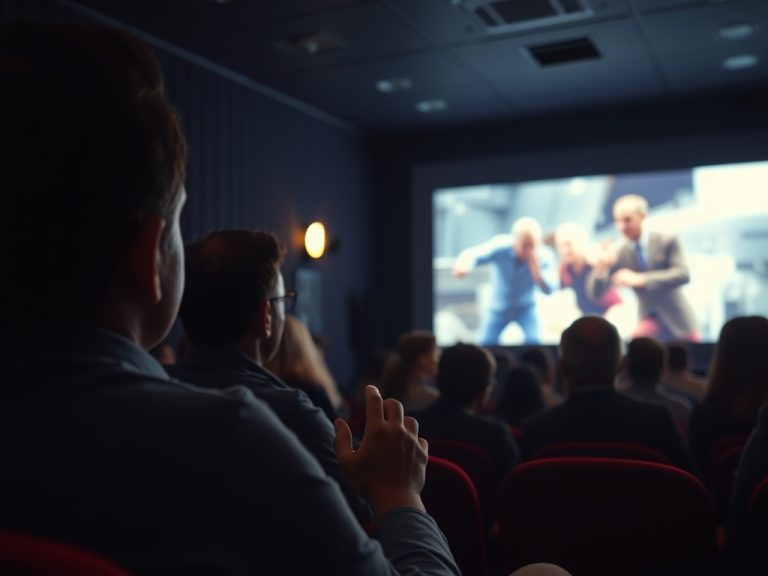
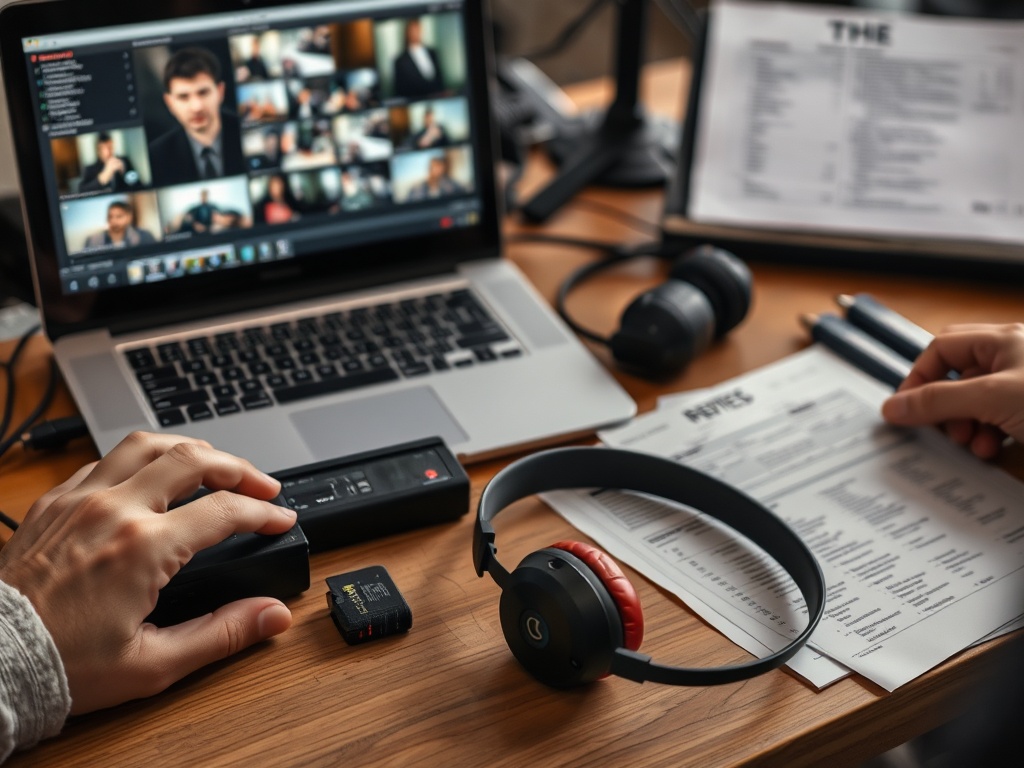
A festival aftermovie is effective marketing when it helps the right future attendee understand the event’s energy, scale, audience, and promise. It fails when it becomes a loud montage that proves only that cameras were present.
Aftermovie brief: Decide before the festival who the video is for, what hesitation it must reduce, which moments prove the event’s identity, and where the finished cut will be distributed.
The marketing goal should shape the shoot
A strong aftermovie is not made entirely in the edit. It begins with a brief. Eventbrite’s event marketing guidance emphasizes planning, audience fit, and post-event engagement, while Vimeo’s recap-video guide stresses knowing the story and audience before the event ends. For a festival, that means identifying whether the video should sell early-bird tickets, reassure sponsors, recruit artists, grow volunteers, or help the community relive the experience.
For planning context, Eventbrite’s event marketing guide connects post-event engagement to broader promotion, and Vimeo’s event recap guide explains why a recap video should be planned around audience and message before filming starts.
Those goals lead to different footage. A sponsor-focused cut may need crowd density, signage environments with unreadable text in the final imagery, vendor activity, and smooth operations. An attendee-focused cut may need arrival, discovery, performance, quiet recovery spaces, accessibility, weather reality, and the feeling of moving through the site. A volunteer recruitment cut may need teamwork and backstage care rather than only stage peaks.
The mistake is filming only spectacle. Spectacle is useful, but an aftermovie also needs orientation. Viewers should understand where they would be, how the day flows, what kind of people attend, and what the event values. Without that context, the video may look exciting while failing to answer practical hesitation.
| Marketing audience | What the aftermovie must prove | Footage to prioritize |
|---|---|---|
| First-time attendees | The festival is worth the time, money, and travel effort. | Arrival, site layout, crowd mood, food, rest areas, performances, and clear pacing. |
| Past attendees | The memory was shared and next year has a reason to matter. | Recognizable rituals, emotional peaks, audience reactions, and small human details. |
| Sponsors and partners | The event reaches the right people and protects brand context. | Audience scale, smooth operations, vendor interaction, and community atmosphere. |
| Artists and speakers | The festival treats talent professionally. | Stage quality, audience attentiveness, backstage flow, and respectful documentation. |
The edit should tell a small story
Most weak aftermovies use the same pattern: drone shot, cheering crowd, performer, confetti, fast cuts, logo. That can be energetic, but it often feels interchangeable. A better structure has a beginning, middle, and afterglow. The beginning welcomes viewers into the site. The middle shows discovery and momentum. The end gives a reason to return, register, share, or follow.
Pacing matters because the video is competing for attention in feeds, email, event pages, and sponsor decks. YouTube’s audience-retention tools are a reminder that different moments in a video hold attention differently. Even when a festival posts outside YouTube, the principle holds: the opening seconds must make the value clear, and the middle cannot become a pile of similar crowd shots.
The most useful aftermovies also show contrast. A festival is not only peak noise. It may include workshops, morning setup, food lines, artist talks, families arriving, older fans sitting between sets, or staff solving problems. These quieter details make the event feel real. They also help viewers decide whether they belong there.
Authenticity beats inflated scale
A marketing video can be polished without exaggerating. If the crowd was intimate, frame the intimacy as access. If weather complicated the day, show resilience carefully instead of pretending everything was perfect. If the event is community-rooted, avoid making it look like a generic mega-festival. Trust grows when the video reflects the experience people will actually get.

This is where the aftermovie overlaps with fandom and cultural memory. A surprise cameo can reorganize a conversation because it compresses recognition into a shared moment; similarly, one surprise cameo rewires a fandom conversation by giving people something specific to revisit. A festival aftermovie should do the same for place and participation. It should give viewers scenes they can point to and say, “That is why this event matters.”
Distribution is part of the creative decision
An aftermovie cut for a home page may be too slow for a vertical social teaser. A sponsor recap may need captions, shorter modules, and measurable deliverables. A ticketing email may need one clear promise rather than the full emotional arc. Instead of making one video and slicing it randomly, plan deliverables before the shoot: a thirty-second social cut, a ninety-second main recap, vertical highlights, still frames, and a few short clips organized by audience type.
Metrics should match the goal. Ticket clicks matter for sales. Completion rate matters for story clarity. Shares and saves may matter for community memory. Sponsor reuse may matter for partnership value. Avoid declaring success by view count alone. A smaller video that reaches likely attendees and reduces their hesitation may outperform a large but unfocused post.
The same strategic thinking applies to a short film becoming a feature animation proof of concept. In both cases, the finished video is evidence. It must prove the next step, not merely show that something happened.
A sharper brief for the next recap
Before the next festival, write the aftermovie sentence: “This video should make [audience] believe [specific promise] and take [specific action].” Give that sentence to the videographer, editor, social lead, and sponsor team. The result will be more focused, more honest, and more useful than a montage assembled after everyone is exhausted.
A post-event review that improves the next cut
After the aftermovie goes live, review it with the same discipline used for ticket sales or operations. Compare the creative goal to actual behavior: Did the intended audience watch, share, click, save, or ask questions? Did sponsors reuse the clip? Did returning attendees recognize the festival they experienced?
The answers should shape next year’s brief. If viewers dropped early, open with a clearer promise. If sponsors loved crowd shots but attendees wanted practical detail, plan two cuts. If the most shared moments were quiet, make space for human texture instead of assuming every recap needs constant intensity.
Sound choices deserve the same care as images. Music can create momentum, but it should not flatten the festival into a generic advertisement. Natural sound, crowd texture, brief stage audio, and pauses can make the recap feel observed rather than manufactured, especially for arts and community events.
This is especially true when the event’s identity depends on atmosphere, trust, or community rather than scale alone.
One clear shot can carry more truth than ten interchangeable crowd clips.