The biggest fan mistakes at major sports events happen before arrival: poor ticket planning, ignoring venue rules, underestimating travel time, and packing items that are not allowed. A smoother event starts with checking policies, planning movement, budgeting honestly, and respecting the people around you.
Big-Event Planning Brief
Key takeaway: The biggest fan mistakes at major sports events happen before arrival: poor ticket planning, ignoring venue rules, underestimating travel time, and packing items that are not allowed. A smoother event starts with checking policies, planning movement, budgeting honestly, and respecting the people around you.
What to Know Before the Event Day
Mistakes fans make at big events usually come from assuming a stadium day works like a normal outing. Large crowds change everything: parking, security, mobile tickets, restroom lines, concessions, weather exposure, cell service, and exit timing. A little planning can save hours of frustration and prevent expensive last-minute decisions.
Public venues often use security procedures that affect bags and entry flow. The CISA public venue bag search guide explains how venues plan bag checks for public gatherings, which is a useful reminder to check the official event policy before packing.
Ticket and Entry Mistakes
The first mistake is waiting until the gate line to download tickets. Mobile service can slow down near big venues. Download tickets, transfer seats, and confirm account access before leaving. The second mistake is ignoring gate assignments. The closest gate on the map may not be the best gate for your section or ticket type.
Another common issue is buying tickets without checking total cost. Service fees, parking, transportation, food, and merchandise can make the real event cost much higher than the seat price. Fans should set a full-event budget, not just a ticket budget.
| Mistake | Why It Hurts | Better Move |
|---|---|---|
| Late ticket download | Cell service may be weak near venue | Save tickets before travel |
| Ignoring bag rules | Security delay or denied entry | Check official policy first |
| No exit plan | Crowds slow transit and rideshare | Choose a meeting point and route |
| Underbudgeting | Small costs add up quickly | Plan ticket, travel, food, and fees |
Travel and Timing Errors
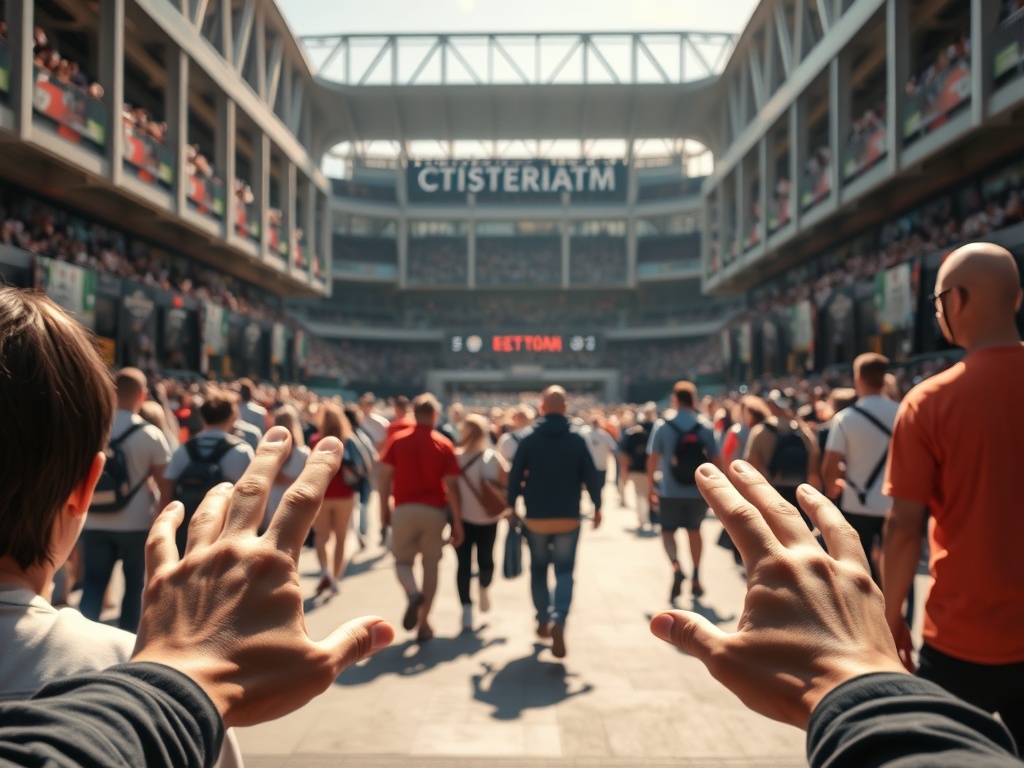
Fans often plan for driving time but not event traffic. A thirty-minute trip can become ninety minutes near a stadium. Public transit can also be crowded, especially after the final whistle or buzzer. Build a buffer for walking, security, restroom stops, and finding seats.
Cold-weather or outdoor events need clothing planning too. The guide on cold-weather sports apparel can help fans dress for long waits, wind, and changing temperatures rather than only the forecast number.
Meeting points matter. Groups should choose a location outside the densest gate area in case phones die or service fails. Parents attending with children should identify staff areas and teach children what to do if separated. These steps feel boring until they are needed.
Packing Mistakes That Slow Everyone Down
Do not assume backpacks, umbrellas, sealed drinks, professional cameras, signs, or battery packs are allowed. Venue policies vary. A clear bag rule at one stadium does not mean the next venue uses the same size limits. Check the official site, not only a fan forum or an old social post.
Etiquette Problems That Ruin the Experience
Major events are emotional, but fans share space with families, visiting supporters, staff, and people who paid for the same experience. Standing at the wrong moments, blocking aisles for photos, using abusive language, spilling drinks, or filming constantly can make the event worse for everyone nearby.
Event behavior also affects the wider sports business. Poor fan experience can damage trust, a theme that connects with sports business mistakes that burn cash and damage trust when organizations underestimate operations and crowd experience.
Respecting staff is part of event literacy. Security guards, ushers, ticket scanners, concession workers, and cleaning crews are managing thousands of people under pressure. Clear questions and patience usually solve problems faster than anger.
Money-Saving Without Making the Day Miserable
Fans can save money by eating before arrival, comparing parking and transit, bringing permitted empty bottles, and setting a merchandise limit. The goal is not to remove all spending. It is to avoid impulse costs caused by hunger, confusion, or lack of planning. Families should discuss budget before the venue turns every request into a negotiation.
Weather and Comfort Oversights
Outdoor games require more than a quick glance at the forecast. Wind, shade, rain delay, metal bleachers, and night temperature changes can alter comfort. Sunscreen, hats, light rain gear, layers, and comfortable shoes can matter as much as the seat location. For indoor venues, shoes still matter because walking distances are often longer than expected.
Fans interested in how event rules and crowd procedures change over time may also enjoy how rule changes spread through sports because fan habits often adapt more slowly than official policies.
The Smart Fan Plan for Your Next Event
A better event day starts at home: confirm tickets, read venue rules, plan arrival and exit, pack lightly, budget honestly, and communicate with your group. Your next step is to open the official venue page before the next big event and write down three things: bag rule, gate plan, and exit route.
Family and Group Planning Details
Groups should decide who holds tickets, where to meet if separated, and what time everyone must be ready to leave. Families with children should review restroom plans, seat numbers, and staff uniforms. Older fans or people with mobility needs should check elevator access, walking distance, and seating policies before buying tickets.
Large events also need patience. Lines, weather, and security checks are part of the experience. A calm group leader can prevent small delays from becoming arguments. The fan who plans well often enjoys more of the game because fewer decisions are made under pressure.
After the Event: Exit Without the Rush
Leaving three minutes early is not the only way to beat a crowd. Fans can wait in their seats, use a less crowded exit, walk a few blocks before requesting a ride, or choose transit after the first surge clears. The right choice depends on the neighborhood, weather, and group needs. Plan it before everyone is tired.
Food, Hydration, and Comfort Planning
Event food can be part of the fun, but relying on venue concessions for every need is risky. Lines may be long, card systems may fail, and prices may exceed expectations. Eat something before leaving and check whether sealed water, empty bottles, or snacks are allowed. For long events, comfort planning is not fussy; it keeps the focus on the game.
Comfort also includes shoes. Big venues involve stairs, ramps, concourses, parking lots, and transit walks. New or uncomfortable shoes can turn a great ticket into a painful day.
Check the Official Source Last
A friend, forum, or old social post may offer useful tips, but the official venue or team page should be the final check. Policies change for playoffs, concerts, rivalry games, international matches, and special events. The last accurate source prevents the most common gate-line surprises.
For championship games or unfamiliar cities, save maps offline and keep a small battery reserve for emergencies. Convenience becomes safety when crowds are large and movement is slow.