
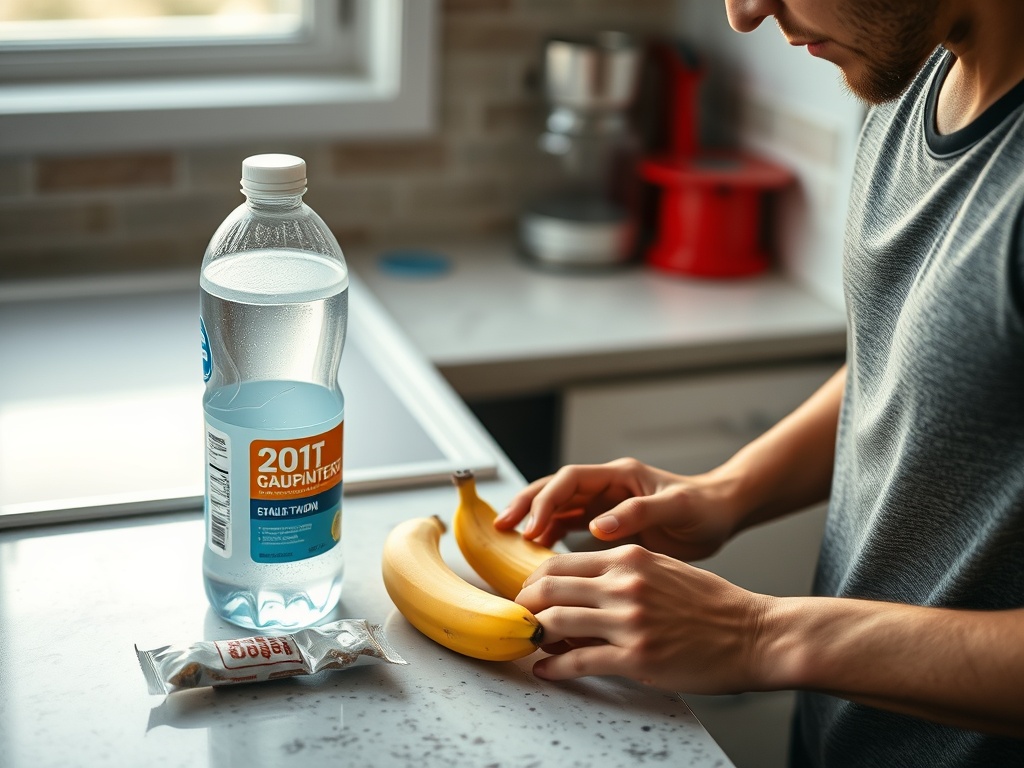
Fueling longer cardio without stomach trouble is mostly a matter of matching food, fluid, and carbohydrate intake to the duration and intensity of the session, then practicing that strategy in training. The best plan is not the largest amount you can consume; it is the amount and form you can absorb comfortably while still supporting the work.
TL;DR Start with familiar foods, avoid experimenting on important training days, take in fuel gradually, and practice the same plan repeatedly. Gastrointestinal tolerance is individual, so build from what your stomach handles rather than copying an athlete with different needs.
Why endurance exercise can upset the gut
Running, cycling, hiking, rowing, and other prolonged activities can produce nausea, cramping, bloating, reflux, urgency, or diarrhea. The causes can overlap: movement itself, exercise intensity, reduced blood flow to the gastrointestinal tract, heat, dehydration, concentrated drinks, large food volumes, and the type or timing of carbohydrate can all contribute.
A review of gastrointestinal complaints during exercise describes these symptoms as especially common in endurance sport and emphasizes practical nutrition choices and training of the gut. More recent work continues to show that fueling strategies should be individualized. A systematic review on diet approaches and endurance-related GI symptoms found that the relationship between carbohydrate strategy and symptoms is more nuanced than simply “carbs cause stomach problems.”
Start with the duration of the session
For a short, easy session, water and normal meals around training may be sufficient. As duration and intensity increase, carbohydrate during exercise becomes more useful because the body is using stored carbohydrate at a higher rate. The exact amount depends on the athlete, exercise mode, pace, weather, and total duration, so a rigid number is less useful than a progressive plan.
Think in layers. First, arrive reasonably hydrated and not overly full. Second, begin fueling before you feel depleted if the session is long enough to require it. Third, divide intake across the session rather than taking a large bolus at once. Finally, rehearse the plan under conditions that resemble the event or key workout.
A stomach-friendly pre-session meal
A pre-cardio meal is generally easier to tolerate when it is familiar and gives enough time for digestion. Many athletes prefer a meal built around carbohydrate with a moderate amount of protein, while limiting foods that they personally know are heavy, very high in fat, very high in fiber, unusually spicy, or otherwise difficult before exercise. That is not a universal rule; it is a starting point for testing.
Do not change your entire diet because one run felt uncomfortable. Look for repeatable patterns. If the problem occurs only after a particular meal, portion size, drink concentration, or high-intensity session, modify one variable at a time.
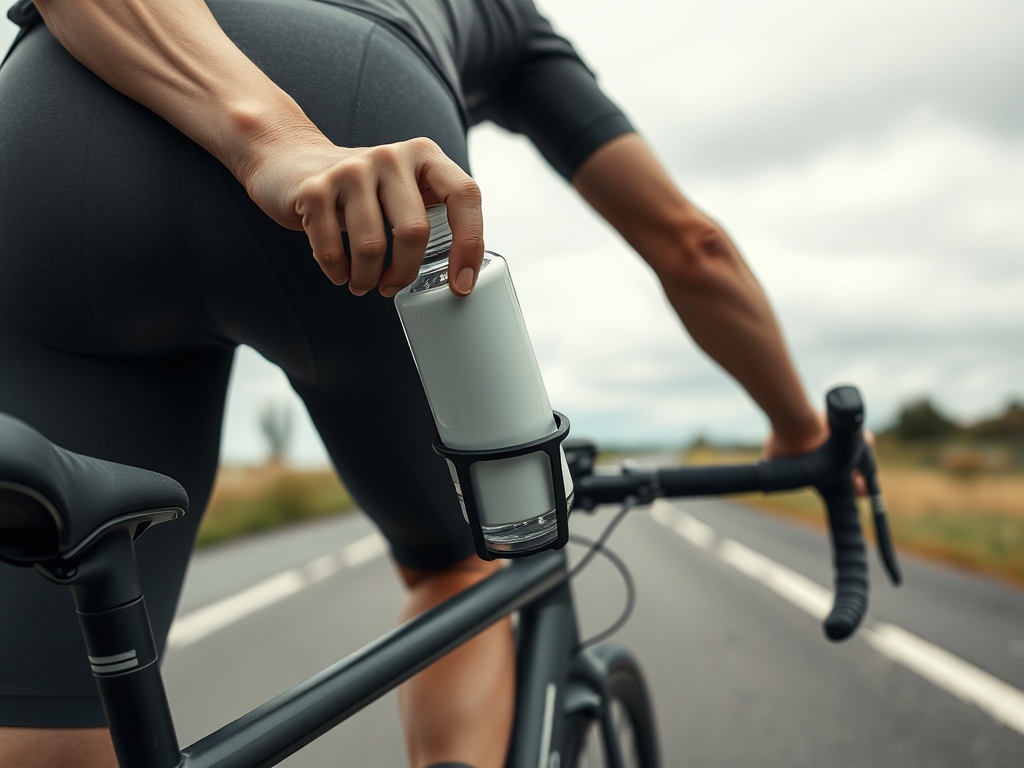
Build your during-workout fuel in small steps
- Choose one carbohydrate source you already tolerate: sports drink, gel, chew, banana, soft bar, or another simple food.
- Begin with a conservative amount during a normal long session rather than a race simulation.
- Spread intake across the workout and pair concentrated carbohydrate with appropriate fluid when needed.
- Record what you consumed, when you consumed it, the weather, intensity, and any symptoms.
- Increase only after the current amount feels comfortable over several sessions.
A systematic review comparing food-first carbohydrate sources with supplements found broadly similar performance responses, while some foods may produce more GI symptoms in certain longer efforts. That is a useful reminder that “real food” and “sports product” are not moral categories; the practical question is which source provides carbohydrate in a form you can tolerate and carry.
Hydration matters, but more is not always better
Fluid needs change with temperature, sweat rate, body size, exercise intensity, and access to drinks. Drinking too little can contribute to dehydration, but excessive fluid intake can also be dangerous, particularly in long events. Use thirst, planned access points, experience, and professional guidance for very long or hot events rather than chasing an arbitrary volume.
In warm conditions, gastrointestinal issues may become more likely because heat adds physiological stress. If heat is part of the problem, adjust pace and timing as well as fluid. If digital prompts and metrics are also adding friction, the best simple tech setups for people who want less friction, not more features can help you keep only the tools that support the endurance plan.
Common mistakes that trigger preventable symptoms
The first mistake is trying a new gel, drink, supplement, or breakfast on race day. The second is making the solution too concentrated by mixing more powder than directed or combining multiple concentrated products without enough fluid. The third is suddenly increasing carbohydrate intake because a guideline suggested a higher target than you have practiced.
Another mistake is assuming every symptom is nutritional. Reflux, persistent diarrhea, blood in stool, severe abdominal pain, repeated vomiting, or symptoms that occur outside exercise deserve medical evaluation. Likewise, food allergies, gastrointestinal diseases, medication effects, and other conditions require individualized advice rather than trial-and-error fueling alone.
Finally, do not ignore the rest of your training. A long cardio session performed after under-eating all day, sleeping poorly, or starting dehydrated puts more pressure on the during-workout plan. If body-composition goals are also part of your program, avoid turning every endurance session into a fasted test; the article on losing fat while strength training three days a week explains why sustainable energy management matters across the whole week.
Use a simple fuel log
After each long session, record duration, intensity, weather, pre-session meal, carbohydrate source, approximate timing, fluid, and symptoms on a simple 0-to-10 comfort scale. Within a few weeks, patterns usually become easier to see. Keep the foods and timing that consistently work and change only one variable at a time.
Rehearse the event, not just the ingredients
Tolerance can change with pace, temperature, terrain, and nerves. A gel that feels fine on an easy two-hour ride may feel different during a hard run in the heat. Once a basic plan works, test it during a few sessions that resemble the intensity and timing of the event. Keep the rehearsal controlled: the goal is to expose the plan to realistic conditions, not to create a second race every weekend.
If an event will provide a specific drink or food at aid stations, practice with that product in advance or plan what you will carry. Logistics matter because a good nutrition strategy is only useful when you can actually access it at the right time.
Make your gut part of the training plan
The goal is not perfect digestion under every condition. It is a repeatable strategy that gives you usable energy with acceptable comfort. Practice it on ordinary long sessions, refine it gradually, and reserve major experiments for low-stakes training days. If symptoms are severe or persistent, involve a sports dietitian or clinician rather than continually restricting foods on your own.